
Ethics in Visual Anthropology - Part 1
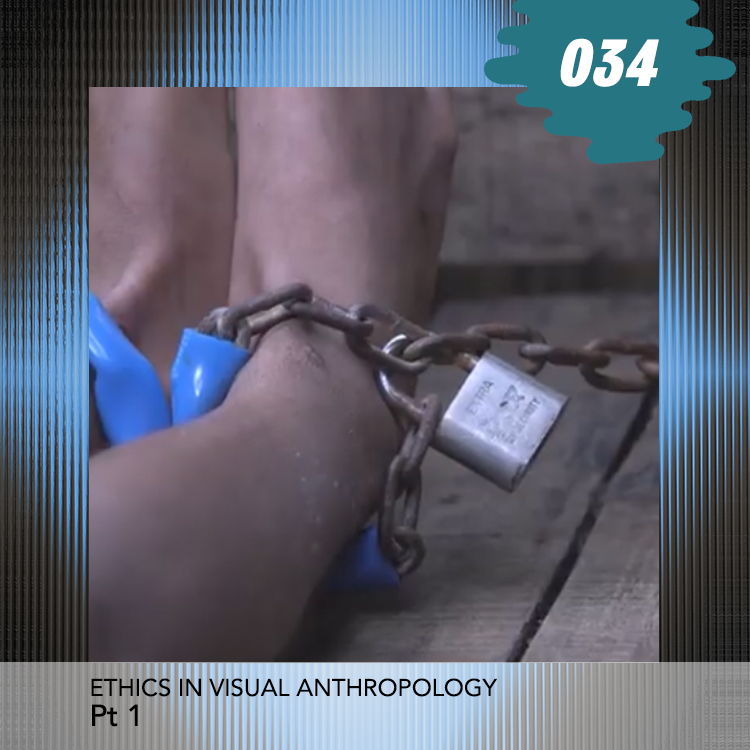
Part of what sets ethnographic film apart from other forms of documentary is its code of ethics. In all circumstances, but especially when film participants have experienced violence, danger, or trauma, care must be taken to protect them from potential harm. In this video, anthropologist Robert Lemelson reflects on ethical situations in his own filmmaking and fieldwork to outline steps filmmakers can take, such as adhering to a process of informed consent to participation, representation, and distribution including reviewing potential harms with participants and screening rough cuts for them. Intervention, unintended consequences, and the American Anthropological Association ethical guidelines are also discussed.
Watch the full episode:
Resources:
Faubion, J.D. (2011) An Anthropology of Ethics. London: Cambridge University Press.
Hegel, G.W.F. (1991) Hegel: Elements of the Philosophy of the Right. London: Cambridge University Press.
Laidlaw, J. (Ed) (2023) The Cambridge Handbook for the Anthropology of Ethics. London: Cambridge Anthropology of Ethics.
Lambek, M. (2010) Ordinary Ethics: Anthropology, Language, and Action. New York: Fordham University Press.